0
Skip to Content
LegacyX
About us
Our Apps
Vortex
LXDC
Services
News
Blogs
Contact
LegacyX
About us
Our Apps
Vortex
LXDC
Services
News
Blogs
Contact
About us
Folder: Our Ventures
Back
Our Apps
Vortex
LXDC
Services
News
Blogs
Contact
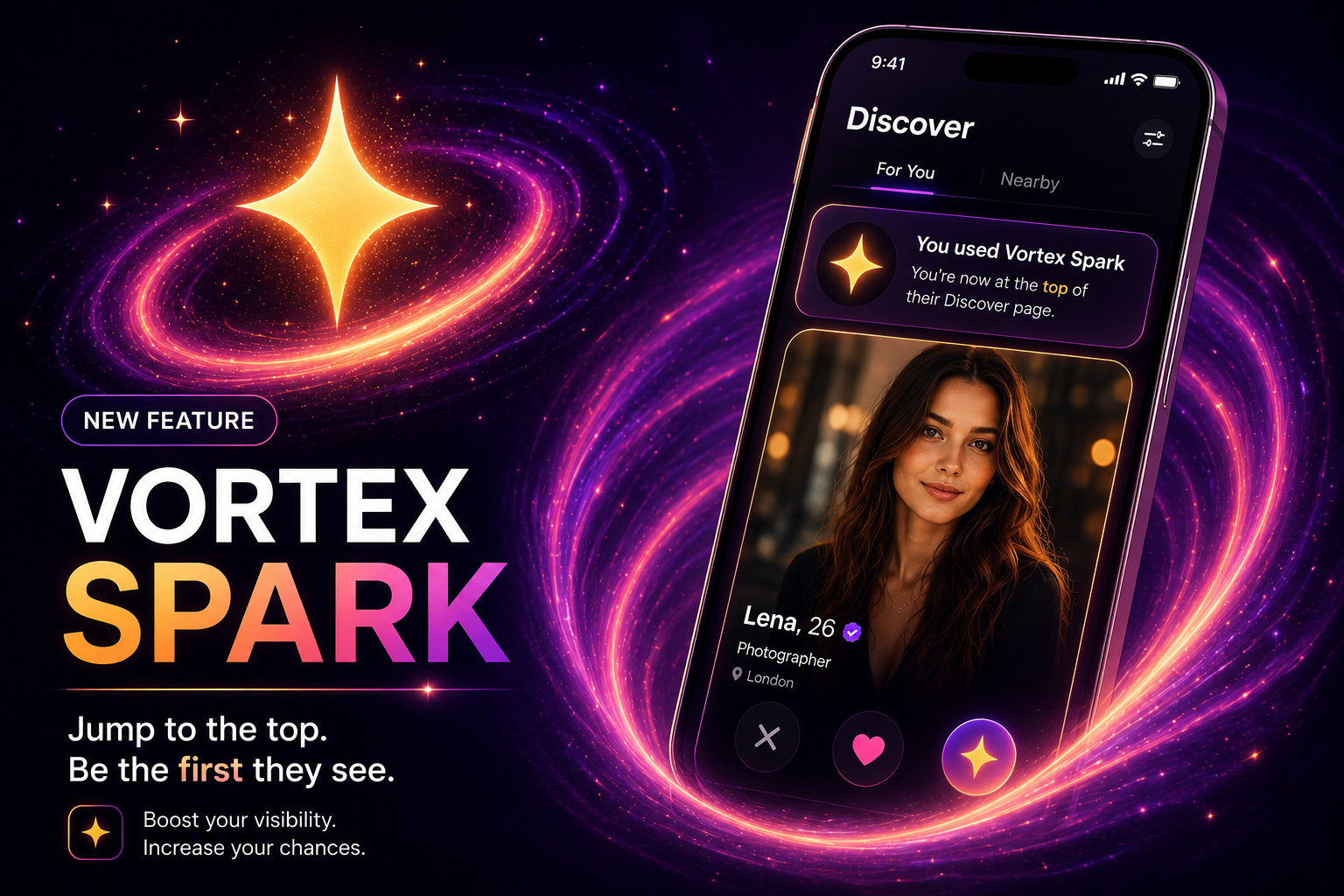
Vortex - Spark: A New Way to Get Seen on Dating Apps
dating, vortex app LegacyX 15/05/2026 dating, vortex app LegacyX 15/05/2026

Vortex - Spark: A New Way to Get Seen on Dating Apps

Read More

Learn how to identify fake dating profiles, recognise warning signs and protect your privacy while making room for genuine, safer connections online today.

A promising match can turn uncomfortable quickly when their story does not quite add up. Learning how to identify fake dating profiles is not about becoming suspicious of everyone you meet. It is about protecting your time, privacy and confidence, so genuine connection has room to grow.

Fake profiles exist for different reasons. Some are run by scammers seeking money or personal information. Others are impersonators, bots, catfishers or people who are simply not being honest about who they are. The common thread is deception. A real person may be shy, busy or a poor texter. A fake profile usually asks you to ignore a pattern of inconsistencies.

Start with the profile, not the promise

An appealing photo and a polished bio can create instant chemistry, but neither proves someone is genuine. Look at the whole profile as a picture of a person rather than treating one impressive detail as evidence.

A profile with only one professional-looking image, no candid photos and almost no personal detail deserves a little more care. So does a profile that feels copied from a film trailer: attractive, successful, recently single, emotionally available and apparently waiting for exactly someone like you.

Authentic profiles tend to contain small, ordinary specifics. They may mention a favourite local walk, an unpopular opinion about Sunday roasts or a hobby they can speak about naturally. Details alone can be invented, of course. What matters is whether their words, photos and later conversations feel consistent.

Look for these patterns together

One warning sign is not a verdict. People have different communication styles, and not everyone enjoys sharing their life online. It is the combination and repetition of signs that matters:

  • Photos that look heavily edited, unusually polished or inconsistent in age, setting or appearance.
  • A bio that is empty, vague or filled with generic romantic lines that could apply to anyone.
  • Replies that ignore what you have said, arrive at oddly regular intervals or read like pre-written scripts.
  • A profile that claims to live nearby but cannot discuss recognisable local places, routines or plans.
  • Sudden declarations of affection before you have built any real conversation.

Trust the mismatch, not just the charm. A profile can be beautifully presented and still lack the human texture that comes from a real life.

Notice how the conversation moves

Fake accounts often try to create emotional momentum before trust has had time to form. They may flatter you intensely, describe a future together after a few messages or position themselves as the only person who truly understands you. It can feel exciting, especially when the attention is warm and constant. It can also be a tactic designed to make you lower your guard.

Try slowing the pace. Ask a natural follow-up question about something they have mentioned. If they say they work in a particular field, ask what they enjoy about it. If they mention a recent trip, ask about a memorable moment. A genuine match does not need to provide a perfect answer, but they should be able to hold a two-way conversation without repeatedly changing the subject.

Pay attention when someone refuses to answer simple questions, gets defensive when you ask for clarity or keeps steering the chat back to romance, crisis or urgency. They may be working from a script. Equally, someone who is private at first may simply want to feel safe. Give people space, but do not let politeness silence your instincts.

Be wary of reasons to leave the app immediately

Moving from a dating platform to another messaging app is not automatically suspicious. Many real people prefer it once there is mutual interest. The concern is pressure: a match who asks you to leave the platform within minutes, avoids the app's safety features or insists that secrecy is proof of trust.

Keeping early conversations on the platform gives you more control. It can make reporting easier if something feels wrong, and it limits the personal information a stranger can collect. If you do choose to move elsewhere, use a separate number or account where possible and avoid sharing your home address, workplace, daily routine or full name too early.

Privacy is not pessimism. It is a foundation for more confident connection.

Verify without turning dating into an interrogation

The clearest way to check whether someone is real is a short video call before meeting. It does not need to be formal or awkward. A ten-minute chat while you are both making tea can establish far more than days of messages. If a person repeatedly has a new excuse for why they cannot appear on camera, pause and consider why.

Profile verification features can add useful reassurance too. Platforms such as Vortex are designed around verified identities and privacy-first interaction, helping people focus more energy on intentional conversation. Verification should never replace your own judgement, but it can reduce the opportunity for impersonation.

You can also search a profile photo using an image search tool to see whether it appears under a different name or on unrelated pages. This is especially useful when an image looks like professional modelling photography. Treat the result carefully: finding no matches does not prove authenticity, and a match may have an innocent explanation. Use it as one clue among several.

When arranging a first meeting, choose a public place, tell a trusted friend where you are going and make your own way there and home. A genuine date will respect those boundaries. Anyone who mocks them, pushes for your address or demands to collect you is showing you something valuable before you meet.

Know the scam conversations that need an immediate stop

Scammers typically want one of three things: money, sensitive information or access to your accounts. Their approach can be sophisticated. They may build rapport for weeks before raising a problem, such as a medical emergency, travel disruption, an investment opportunity or a parcel supposedly held at customs.

Never send money, cryptocurrency, gift cards, bank details, identity documents or login codes to someone you have met online. Do not accept money into your account and forward it elsewhere either. That can expose you to fraud, even if the story sounds convincing.

Be equally cautious with links and attachments. A message claiming to share photos, confirm a booking or offer a private chat can lead to a fake login page or malicious download. If you are unsure, do not click. Take a screenshot, report the account through the platform and block it.

A real connection does not depend on you rescuing someone you have never met. Compassion is a good quality. Financial urgency from an online stranger is a boundary, not a test of your kindness.

What to do when something feels off

You do not need courtroom-level proof to end a conversation. If a profile makes you uneasy, stop replying. Save relevant messages and screenshots, then use the app's reporting tools so the platform can investigate. Blocking is not rude when your safety or peace of mind is involved.

If you have shared financial information, contacted a suspicious link or sent money, act quickly. Contact your bank through its official channels, change affected passwords and report the incident to the appropriate fraud service. Feeling embarrassed is common, but fraud relies on manipulation, not a lack of intelligence. The sooner you speak up, the more options you may have.

Dating should leave you curious, seen and in control, not confused, rushed or isolated. Let consistency earn trust slowly. The right person will not resent your boundaries - they will recognise them as part of building something real.

Stay in the loop

Sign up with your email address to receive news and updates.

Thank you!

Contact Us

Privacy Policy

T&C - Apps

© LegacyX | All Rights Reserved.